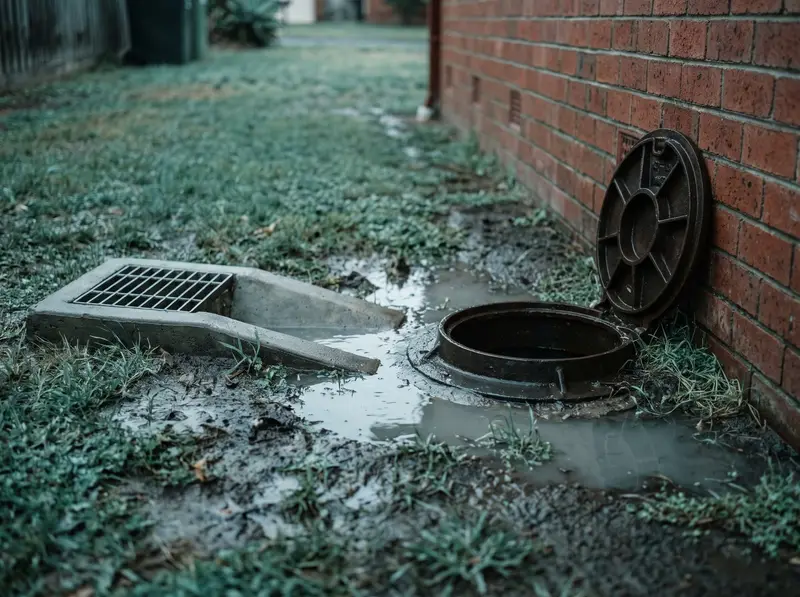
Blocked sewer drains
Main-line wastewater blockages, where several fixtures back up at once or an overflow relief gully starts discharging outside.
Relevant when more than one fixture is affected, or waste water is surfacing outside the building.
Blocked drains across the Gold Coast — sewer, stormwater and toilet blockages, cleared by independent licensed drainage contractors. One call gets the problem described to someone who works on drains.
Say which fixtures are affected and whether rain is involved.
Before the detail below, this is the whole sequence. If you already know you want someone on site, step one is all you need.
Which fixtures are affected and which are fine, when it started, whether rain is involved, and whether it has happened before. That is usually enough to place the problem.
Your call is matched to an independent licensed drainage contractor working across the 6 Gold Coast suburbs covered here. Phone is the only way in — there is no form, no callback queue and no chat widget.
Scope, timing and cost are agreed between you and the contractor who does the work. Their licence, their insurance and their workmanship are theirs.
The line is open open 24 hours, 7 days. Have the short version of the problem ready and the call is quicker for both of you.
Call 0483 909 757The pattern matters more than the severity. Two of the signals below need attention straight away; the rest tell you which part of the system to look at.
Act now Waste water is coming up through a floor waste, shower or gully outside
Waste water escaping the pipe is a sanitation problem as well as a drainage one. Keep people and pets away from it, stop using every fixture in the building, and get someone on site.
Act now A toilet rises toward the rim when another fixture is used
Two fixtures reacting to each other means the water has nowhere to go past a shared point. Stop flushing — each flush adds volume to a drain that is already full.
More than one fixture is slow or gurgling at the same time
Several fixtures behaving badly at once points at the shared drain they all feed into, not at any one of them.
A single sink, basin or shower is slow and everything else is fine
The restriction is usually in that fixture’s own trap or branch pipe — a much smaller problem than a main-line blockage.
A smell of sewage indoors or around the drain outside
Odour can come from a dry trap, a partial blockage holding waste in the line, or a damaged pipe. It is worth investigating even when water is still draining.
Water pools in the yard or surcharges from a pit, but only when it rains
That pattern points at the stormwater system, which is separate from the drain that takes waste water.
Three problems, three different systems, three different sets of next steps. Pick the one that matches what you are seeing.
Main-line wastewater blockages, where several fixtures back up at once or an overflow relief gully starts discharging outside.
Relevant when more than one fixture is affected, or waste water is surfacing outside the building.
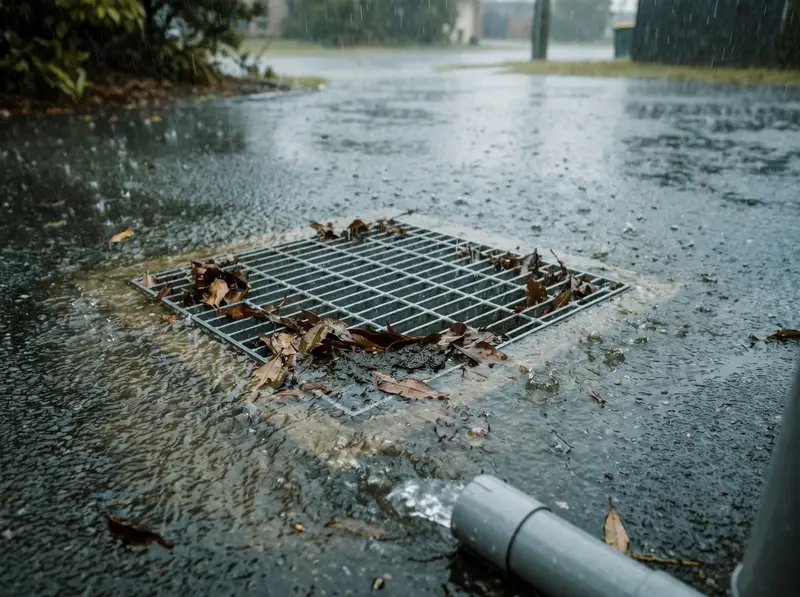
Rainwater drainage problems — surcharging pits, overflowing downpipes and pooling in the yard during or straight after heavy rain.
Relevant when the problem only appears while it is raining, and no waste water is involved.
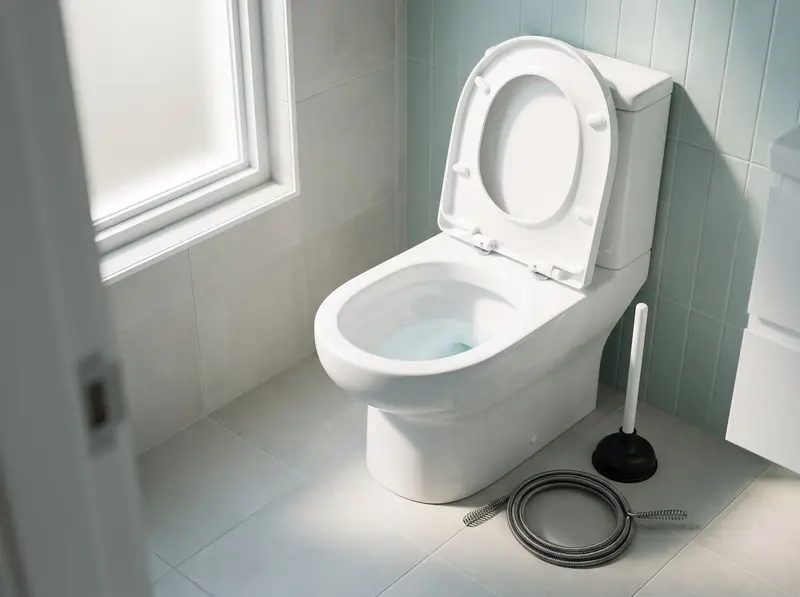
Fixture-level toilet blockages, and the signs that separate a pan or branch problem from a blockage further down the main drain.
Relevant when a toilet is slow, rising or overflowing — with or without other fixtures affected.
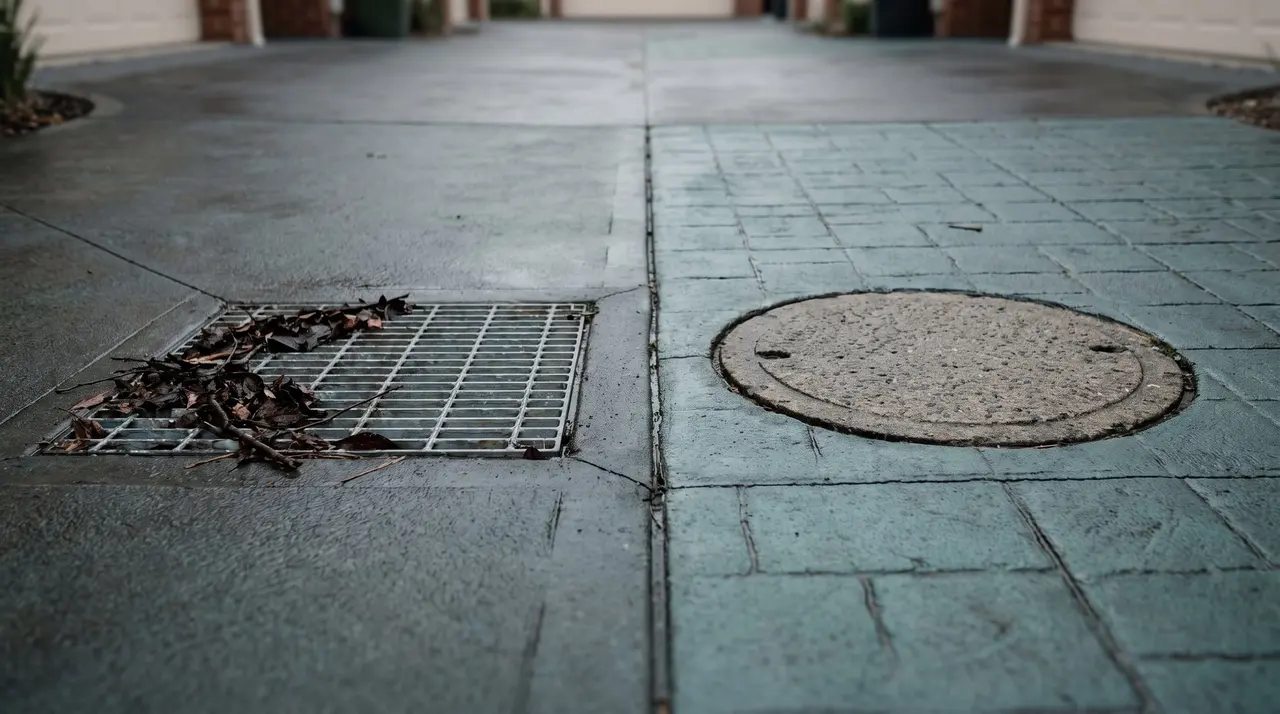
If you read nothing else on this page, read this. It is the shortest path from what you are seeing to what should happen about it.
| What you are seeing | Most likely system | Useful next step |
|---|---|---|
| One fixture is slow; nothing else is affected | That fixture’s trap or branch pipe | Clearing the branch. If the same fixture blocks again within weeks, ask what is causing it rather than clearing it again. |
| Several fixtures slow, gurgling, or backing up | The shared sanitary drain | Locate the blockage on the main line first — clearing one fixture will not fix a shared drain. |
| Overflow gully outside is discharging | The sanitary drain, downstream of the gully | Treat as urgent. Stop using water in the building and have the main line cleared. |
| Yard floods or a pit surcharges during rain | The stormwater system | Check the visible inlets for debris, then have the stormwater line inspected — waste-water clearing will not help here. |
| The same drain blocks again every few months | Something structural: roots, a damaged joint, a sag, or a fall problem | A camera inspection, so the repeat cause is identified instead of cleared over and over. |
| Toilet blocks repeatedly but other fixtures are fine | The pan, the trap, or the branch serving it | Check what is being flushed, then have the branch inspected if the pattern continues. |
Knowing which fixtures are affected, and whether rain is involved, changes what needs to happen. It is worth a two-minute conversation.
Call 0483 909 757There are two separate questions on any drain job: what is in the pipe, and what condition the pipe is in. Clearing answers the first. A camera answers the second.
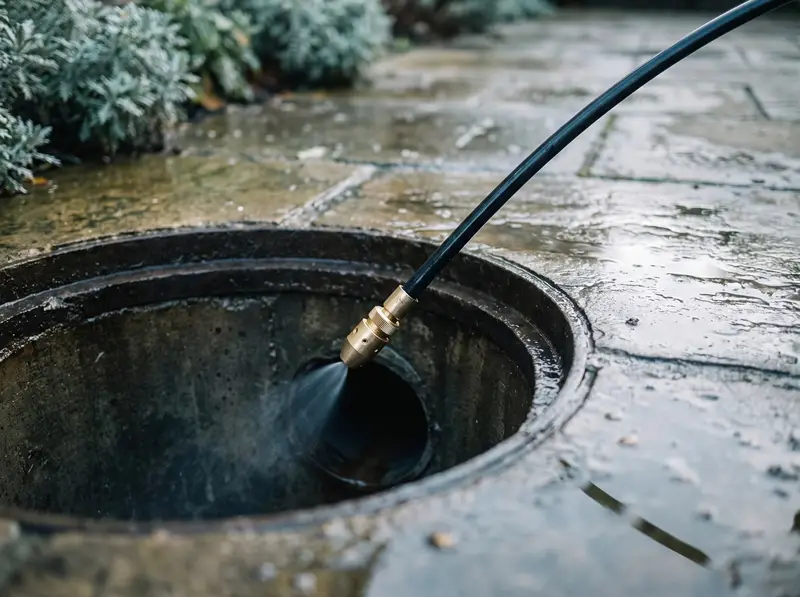
A water-jetting method that cuts through a blockage and scours build-up off the pipe wall rather than only punching an opening through it.
Relevant when a drain blocks repeatedly, or grease, sediment or root matter is lining the pipe.
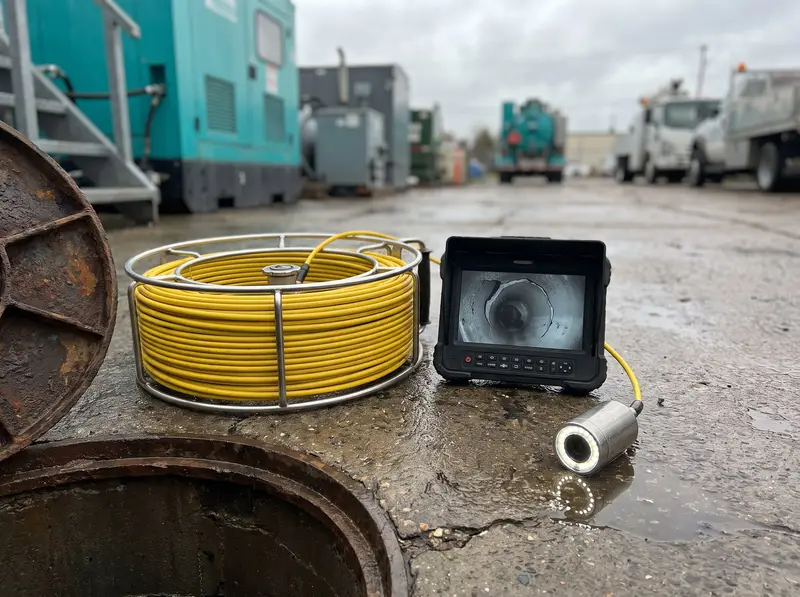
A camera survey that shows the inside of the pipe so the blockage can be located and the pipe condition assessed before any repair decision.
Relevant when a drain keeps blocking, when pipe damage is suspected, or before authorising repair work.
A one-off blockage in a sound pipe often needs nothing more than clearing. A blockage that keeps coming back in the same spot is telling you something about the pipe, and that is where a CCTV drain inspection earns its place. If you want the difference between the two common clearing tools explained first, read drain jetter vs drain snake.
Six causes account for most blockages, and which one you have changes whether clearing is the end of it or the start. Worth a glance before you call — mentioning the likely candidate saves time on site. It is not a diagnosis: only access to the drain settles that.
Cooking fats leave the sink warm and liquid, then cool and set on the pipe wall. Over time the usable diameter narrows until something ordinary finally blocks it.
Products that do not break down the way toilet paper does tend to snag on a joint or a rough patch, then catch everything that follows.
Roots follow moisture and can enter through a cracked joint or a damaged section, then keep growing inside the pipe. Clearing them without addressing the entry point usually buys time rather than fixing it.
A pipe that has cracked, shifted at a joint or settled into a low spot will hold water and solids. Blockages at that point recur because the shape of the pipe is causing them.
Mostly a stormwater problem. Fine material settles in flatter sections while leaves and debris build up at inlets, pits and bends.
Anything that should not be in a drain — toys, building debris, offcuts — will sit where it lodges and gradually collect everything else.
These are the Gold Coast suburbs this service covers, each with its own page.
The pin is the single Nerang base this service works from — the Gold Coast suburbs below are covered from there, not from separate offices. View the Blocked Drains Gold Coast listing on Google Maps.
Each area page covers the same practical ground — which system is likely involved, what a plumber needs access to, and where to go next — for that suburb. Start with Surfers Paradise , Burleigh Heads , Coomera , or see all Gold Coast service areas.
Licence details, years in business, availability windows, pricing and guarantees are not published here until they are supplied and verified. Where you see a bracketed placeholder, that fact is still outstanding.
There are no testimonials, star ratings or review counts on this site, and none are described in its structured data. Reviews will only appear if they are genuine and attributable.
The explanations here narrow down what is likely happening and what a plumber will want to check. Confirming a blockage still needs someone on site with access to the drain.
Short answers to the questions that come up most often. There are more on the FAQ page.
Use more than one fixture and watch what happens. If only one sink, basin, shower or toilet misbehaves and everything else drains normally, the problem is usually in that fixture’s own branch. If several fixtures are slow, gurgling, or reacting to each other — a toilet rising when a shower runs, for example — the shared drain they all feed into is the more likely location.
No. They are separate systems. The sanitary drain carries waste water from your fixtures. The stormwater system carries rain from roofs and paved areas. A problem that only appears while it is raining, with no waste water involved, points at stormwater; waste water backing up indoors points at the sanitary drain.
A repeat blockage in the same place usually means the cause is still there. Common reasons are roots entering through a damaged joint, a cracked or displaced section, or a sag holding water and solids. Clearing the blockage restores flow but does not change the pipe. A camera inspection is the usual way to find out which of those is happening.
It helps to know which fixtures are affected and which are fine, whether the problem is constant or only during rain, when it started, whether it has happened before, and whether anything has already been done to it. If you know where the drain inspection opening is on the property, mention that too.
Have a quick summary ready: which fixtures are affected, whether rain is involved, when it started, and whether it has happened before.
Call 0483 909 757