Blocked Sewer Drains Gold Coast
Several drains backing up at once across the Gold Coast, or waste water surfacing outside — that is the shared main line, not any one fixture. It is cleared by an independent licensed drainage contractor, and it is worth calling before it gets indoors.
Say which fixtures are affected and whether anything is surfacing outside.
- Open 24 hours, seven days a week
- Main-line blockages, overflow gullies and multi-fixture back-ups
- Blocked drains only — no forms, no callback queue
If waste water is surfacing right now
Stop using water everywhere on the property, keep people and pets away from anything that has surfaced, and do not attempt to clear a main-line blockage yourself — the contents of a blocked sewer drain are a health risk and the pressure in a backed-up line is unpredictable. Then call.
Signs the blockage is in the main line
One of these on its own is worth noticing. Two or more together is a fairly clear picture.
-
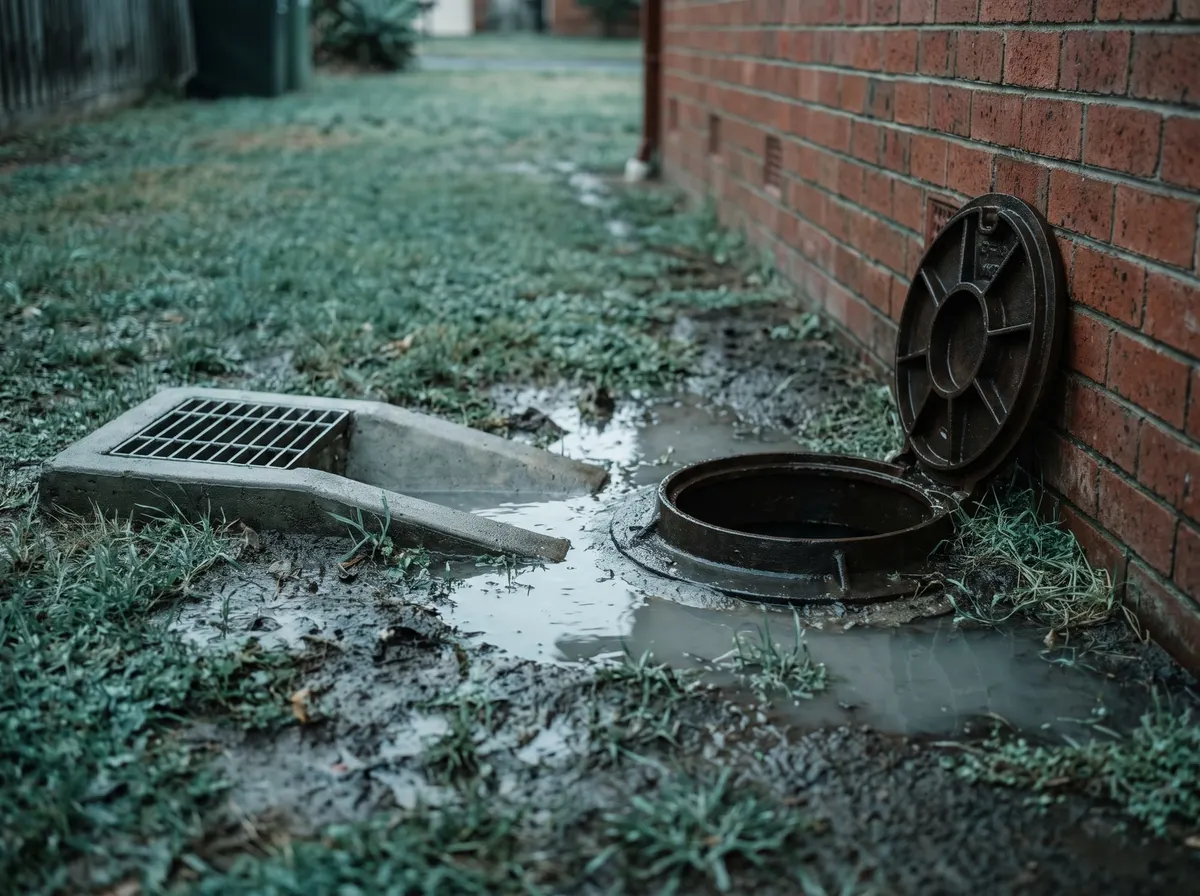
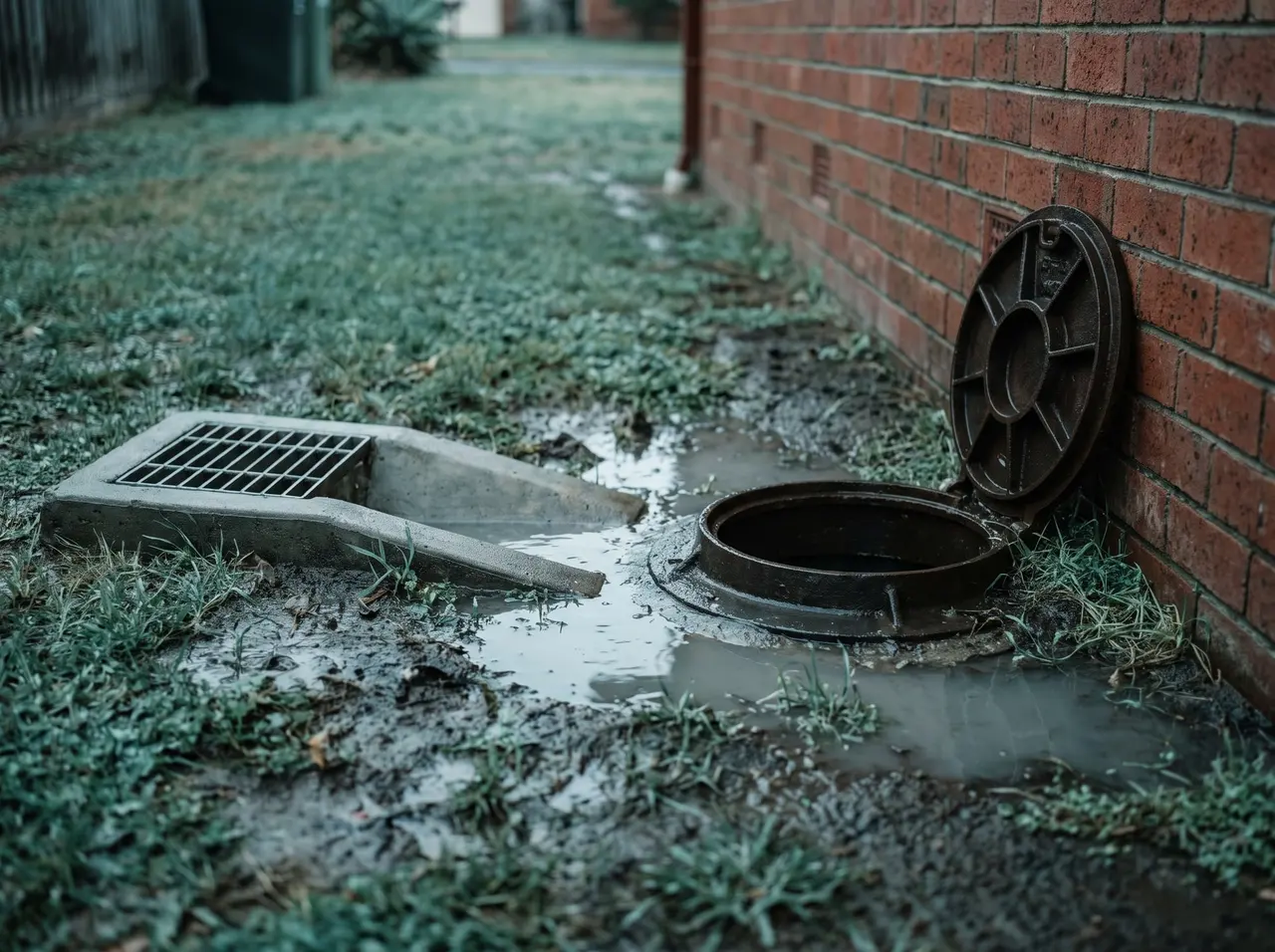
Act now Waste water is discharging from the overflow gully outside
The gully is doing its job — it is designed to release ahead of the fixtures inside so the overflow happens outdoors rather than in the building. Treat it as confirmation the main line is blocked, and keep people and pets away from it.
-
Act now Waste water is coming up through a floor waste or shower indoors
Waste water in the building is a health issue as well as a plumbing one. Stop using water anywhere on the property — every flush and every load of washing adds to what has nowhere to go.
-
A toilet rises or bubbles when a shower, basin or washing machine runs
Two fixtures reacting to each other means they share a path that is now restricted. The toilet is usually the lowest point, so it shows the problem first.
-
Several fixtures are slow at the same time
Fixtures on different branches failing together points at the drain they have in common, not at any of them individually.
-
Gurgling from a drain when a different fixture is used
Air being pulled or pushed past a restriction. It often shows up before anything actually backs up, which makes it a useful early warning.
-
A persistent sewage smell around the property
Can mean waste is sitting in the line rather than moving through it. Worth investigating even while everything still drains.
What happens when you call about a main-line blockage
The detail below is worth reading while you wait. It is not worth reading before you call.
-
You describe what the drain is doing
Which fixtures are affected and which are fine, whether anything is surfacing outside, when it started, and whether this has happened before.
-
The job goes to a drainage contractor
Your call is matched to an independent licensed drainage contractor working across the 6 Gold Coast suburbs covered here. Phone is the only way in — there is no form, no callback queue and no chat widget.
-
They arrange attendance, quote and invoice you directly
Scope, timing and cost are agreed between you and the contractor who does the work. Their licence, their insurance and their workmanship are theirs.
Several drains going at once?
The line is open open 24 hours, 7 days. Have the short version of the problem ready and the call is quicker for both of you.
Call 0483 909 757Why the whole building goes at once
Every fixture in a building runs to a branch, and the branches run to one drain that carries everything off the property. That single shared line is the reason a main-line blockage looks so dramatic: it does not matter which fixture you use, because they all end up in the same place, and that place is full.
It is also why an overflow relief gully exists outside. It sits lower than the fixtures indoors, so when the line backs up, that is where it releases first. A gully discharging in the yard is unpleasant, but it is the system working as designed — the alternative was the same volume of water coming up through your shower.
Where the blockage sits along that shared line changes what you see. A blockage close to the building may affect only part of it. A blockage further out affects everything. Which fixtures are misbehaving is therefore genuinely useful information, and it is worth checking before anyone arrives.
How a main-line blockage is worked through
A general sequence rather than a description of any particular business's process.
-
Establish that it is the main line
Which fixtures are affected and which are not narrows the location before anyone opens anything. A blockage affecting the whole building sits at a different point from one affecting only the back half of it.
-
Open an access point
Drainage systems have inspection openings for exactly this. Finding one — and finding it accessible — is often the practical first task on site.
-
Relieve the blockage
The immediate objective is restoring flow so waste stops backing up. Method depends on what is in the line and what the access allows.
-
Work out whether it will recur
What comes back out is evidence. Roots, wipes, grease and broken pipe fragments each point somewhere different. If there is any doubt, or this has happened before, a camera answers it properly.
-
Decide about the pipe itself
If the drain is structurally sound, clearing was the whole job. If it is not, the repeat will come, and it is better to know that now than to find out in six months.
Whose drain is it?
Property drainage and the public sewer network are maintained under different arrangements, and where a blockage sits relative to that division is what determines who deals with it. That question is worth settling early, because it changes who you are calling and who bears the cost.
It is also a question this page will not answer with a confident one-liner. The arrangement is set by current published policy, and quoting a general rule that has moved on is worse than useless when you are standing in a yard at seven in the morning.
Who is responsible for a sewer blockage on the Gold Coast walks through how the division works, what a camera inspection can establish about location, and which primary source to check before authorising major work.
Questions about blocked sewer drains
What is the difference between a sewer drain and a stormwater drain?
They are two separate pipe systems doing two different jobs. The sanitary sewer drain carries waste water from toilets, sinks, showers and laundries away from the property. The stormwater system carries rain from roofs, gutters and paved areas. A problem that only appears in the rain is almost certainly stormwater. Waste water backing up indoors is the sanitary drain.
What should I stop doing while I wait?
Stop using water on the property — no flushing, no showers, no dishwasher or washing machine. Everything that goes down a drain adds volume to a system that already has nowhere to put it, and it is the most reliable way to turn an outdoor overflow into an indoor one. Keep people and pets away from any water that has surfaced.
Am I responsible for the blockage, or is the council?
It depends on where the blockage is. Broadly, the drainage on a property is maintained differently from the public sewer network beyond it, and the location of the blockage relative to that division is what determines who deals with it. Because the specific arrangement is set by current local policy, it is worth checking the current published position rather than relying on a general answer.
Why does the same sewer blockage keep coming back?
A blockage that recurs in the same section is usually caused by something about the pipe rather than by what went into it. Roots entering through a joint, a cracked or displaced section, or a sag that holds water and solids will all keep catching material after each clear. A camera inspection is the normal way to establish which one it is.
Several drains affected?
Have ready: which fixtures are affected, which are not, whether anything is surfacing outside, and when it started.
Call 0483 909 757