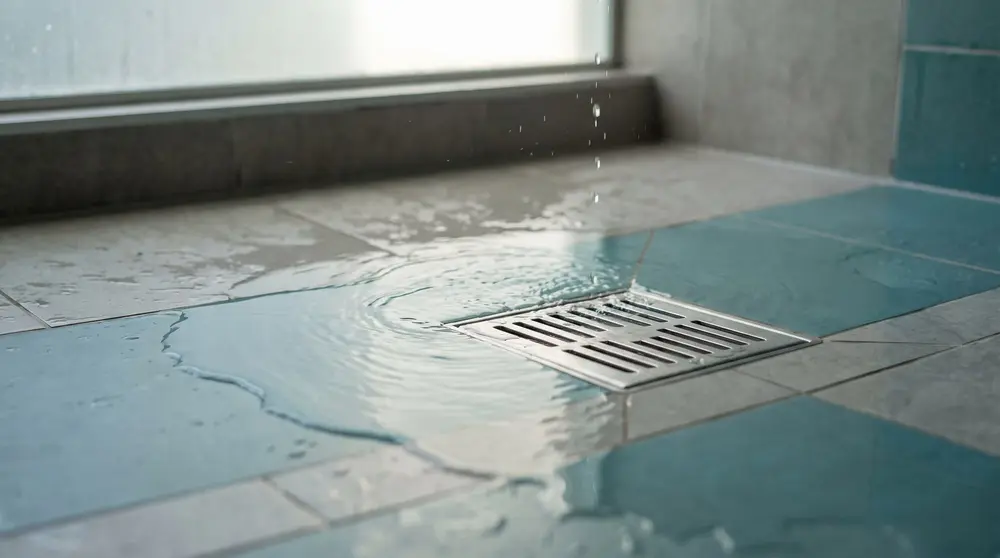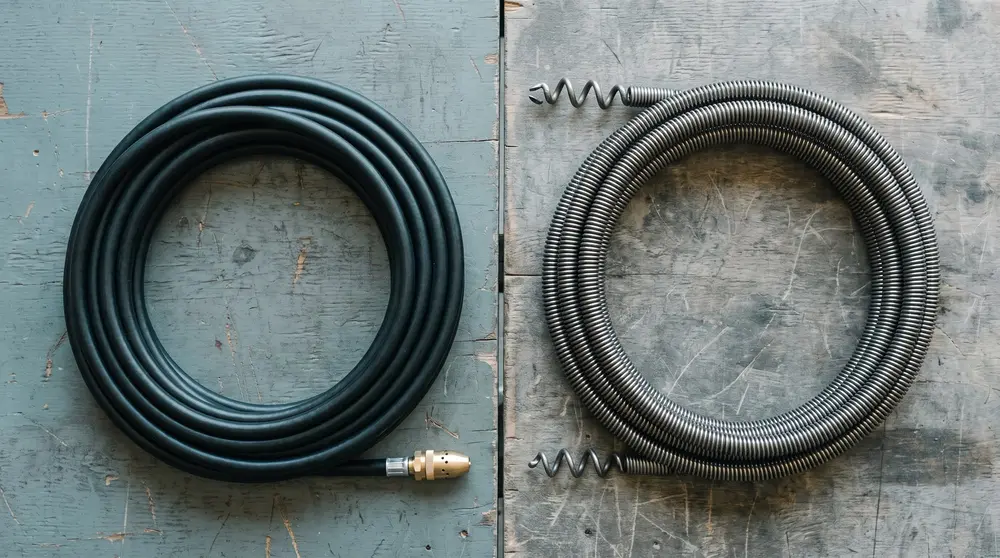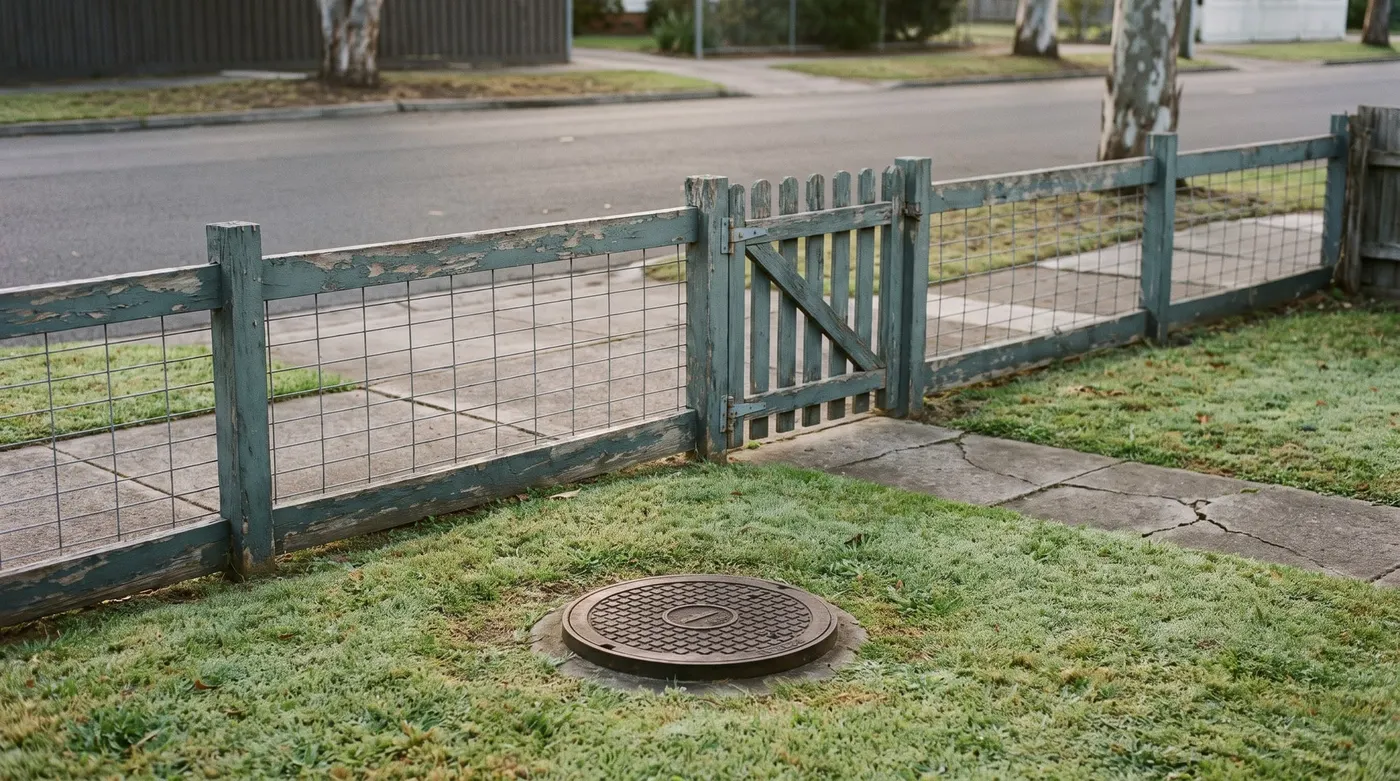
The short answer: it usually depends on where the blockage is. Drainage on a property is generally the property owner’s to maintain. The public sewer network beyond it is generally maintained by the water and wastewater service provider. The blockage sits on one side of that division or the other, and which side it is on largely determines who deals with it and who pays.
That is the general shape. Before you act on it, read the caveat below — because the detail is set by current published policy, and a general rule is a poor substitute for the actual one.
Why this question is worth settling early
When a sewer drain blocks, the instinct is to get someone out immediately. That instinct is right when waste water is surfacing. But if the blockage turns out to be in infrastructure you do not maintain, you may have paid for a call-out that was never yours to arrange — and once the drain is running again, the evidence of where the problem actually was has gone with it.
The reverse is just as costly. Waiting on someone else to attend a blockage that is on your property means waiting for a phone call that is not coming, while the drain stays blocked.
Settling the question early does not require certainty. It requires knowing which question you are asking, and knowing what would answer it.
The two sides of the division
The property side
This is the drainage that serves the building and the land it sits on: the fixtures inside, the branch pipes connecting them, and the sanitary drain that carries everything toward the connection point. It also usually includes the overflow relief gully outside — the fitting designed to discharge in the yard rather than let waste water come up through fixtures indoors.
Blockages on this side are typically caused by what has gone into the system, or by the condition of the pipe itself. Wipes, fats, roots through a damaged joint, a section that has cracked or settled: all of these are on the property side of the line, and all are the property owner’s problem to resolve.
The network side
Beyond the connection point, the drain joins the public sewer network. That infrastructure is maintained under a different arrangement, and blockages within it are generally not the property owner’s to arrange or fund.
The practical difficulty is that you cannot see where the division falls from the surface, and the symptoms on either side can look identical. A drain that will not clear looks exactly the same from your bathroom regardless of which side of the boundary the obstruction is on.
What actually establishes where the blockage is
This is where diagnostic work does something more than restore flow.
Which fixtures are affected gives you a first indication. If part of a building is affected and part is not, the restriction is likely to be within the property’s own drainage rather than at or beyond the connection. If everything is affected simultaneously, the blockage is somewhere all of it has in common — which could be the property drain near the boundary, or beyond it.
Whether neighbouring properties are affected is a stronger signal. If several properties are having the same problem at the same time, that points away from any one property’s drainage and toward the shared infrastructure.
A camera inspection is the direct answer. A CCTV drain inspection shows where the obstruction is along the line and, importantly, how far along it sits. Combined with knowing where the connection point is, that turns “somewhere in the drain” into a location that can be placed on one side of the division or the other.
That distinction is worth having before major work is authorised, not after.
Before you authorise anything significant
A few things are worth doing in order.
Establish urgency honestly. If waste water is surfacing where people walk, or backing up inside the building, the health risk outranks the question of who pays. Deal with the immediate problem and sort out responsibility in parallel. If the drain is merely slow, there is time to ask the question first.
Ask where the blockage is, not just that it is cleared. It is a reasonable question and a plumber should be able to answer it. If the answer is vague, that is worth noticing before an invoice arrives.
Ask for the basis of any repair recommendation. Clearing a blockage and repairing a pipe are different jobs with different justifications. A repair proposed before anyone has looked inside the line deserves a question about what it is based on.
Check the current published position. The general division above holds broadly, but the specifics — where exactly the boundary of responsibility falls, what the provider will and will not attend, and how to report a suspected network problem — are set by current policy.
The caveat, stated plainly
The division described in this article is a general description of how responsibility for sanitary drainage is typically structured. It is not a statement of the City of Gold Coast’s current policy, and it should not be relied on as one.
Policies of this kind are revised. An older published position that has since moved on is worse than no information at all, because it sounds authoritative while being wrong. Before acting on anything here in a situation involving real cost, check the current published guidance from the City of Gold Coast and the relevant water and wastewater provider, or ask them directly.
If a plumber or contractor tells you confidently who is responsible, that is worth cross-checking too. It is a policy question rather than a plumbing one.
When to contact the City
Broadly, the situations where contacting the City or the water provider makes sense are: when several nearby properties are affected at the same time, when a blockage appears to be at or beyond the connection point, when there is an issue with public infrastructure such as a manhole or a network overflow, or when you have diagnostic evidence placing the problem outside the property.
Reporting it does not commit you to anything, and it puts the question in front of the party that can answer it definitively.
What to do next
If waste water is surfacing right now, stop using water on the property, keep people and pets clear, and deal with the immediate situation. The blocked sewer drain page covers the signs, the immediate steps and how a main-line blockage is worked through.
If the drain is blocking repeatedly, the responsibility question and the recurrence question have the same answer: find out where and why, rather than clearing it again and hoping.